- Skincare

Skincare
Dr. Elie Organics offers a clean, organic skincare line designed to hydrate, soothe, and brighten the skin. The Face Gel provides lightweight, cooling moisture, while the Face Moisturizer delivers richer hydration with a fast-absorbing finish. The Skin Alchemy Serum blends nourishing botanical oils for a smooth, radiant feel, and the Amber Reverie Moisturizer supports skin brightness with its turmeric- and licorice-infused formula. Completing the routine, the Skin Gloss Hand Cream offers long-lasting, non-greasy moisture for soft, healthy hands.
- Facial kit

Facial Kit
Dr. Elie’s facial kits are thoughtfully tailored to specific skin needs, blending high-quality organic botanicals into spa-like rituals. The Anti-Aging Kit (95% organic) uses sandalwood, papaya, and ashwagandha to smooth, hydrate, and boost elasticity. The Anti-Oxidant Kit is rich in apricot, bilberry, and grapefruit to nourish, protect, and brighten the complexion. For blemish-prone skin, the Anti-Acne Kit relies on tea tree, turmeric, and neem to purify and calm. And the Skin Brightening Kit (95.6% organic) combines almond, saffron, and licorice to even tone, fade dark spots, and reveal a radiant glow.
- Haircare

Haircare
Dr. Elie Organics’ hair-care line focuses on gentle, organic-leaning formulas that hydrate, cleanse, and style naturally. The Moisturizing Shampoo uses aloe vera and oat extract for soft, shiny hair, paired with a nourishing Conditioner for smoothness. The Hydro-Protect Hair Mask deeply moisturizes and reduces frizz with shea butter and olive oil. For styling, the Clay and Wax provide clean, natural hold, while the Peach-Lemon Mist adds a fresh, uplifting scent. The Purifying Shampoo and Conditioner with Persian herbs help balance the scalp and control excess oil.
- Hygiene & Lifestyle

Hygiene & Lifestyle
Dr. Elie Organics’ Hygiene & Lifestyle line brings gentle, nature-inspired care to skin and home. The Aloe Vera Gel hydrates and soothes with its vitamin-rich, cooling texture. The Amber Reverie Hand Wash cleanses softly without drying, paired with the Amber Reverie Moisturizer for light, brightening hydration. Completing the routine, the Organic Bed Mist offers a calming, quick-drying scent to help you relax and unwind.
- Bodycare
Bodycare
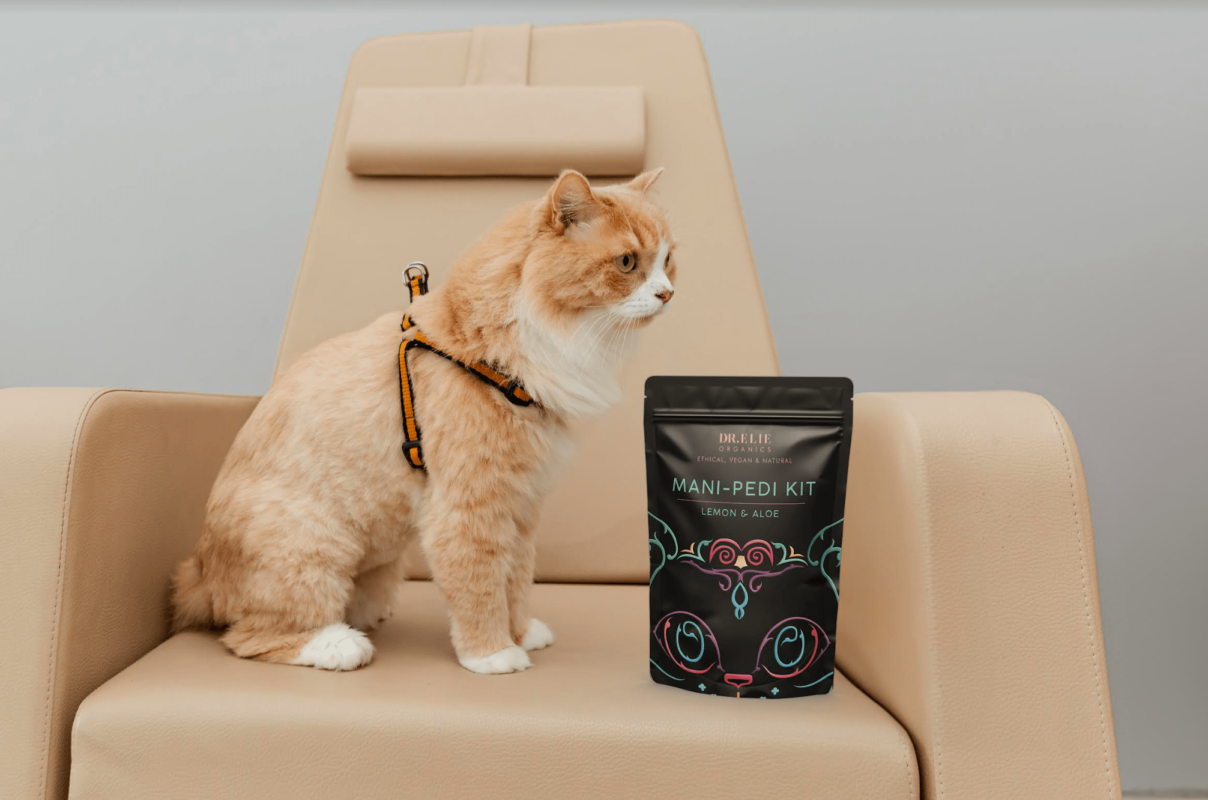
Dr. Elie Organics’ bodycare line brings fresh scents and gentle nourishment to everyday self-care. The Peach-Lemon Hair & Body Mist adds a light citrus lift, while the Amber Reverie Moisturizer offers smooth, brightening hydration. The Skin Gloss Hand Cream keeps hands soft without greasiness, and the Lemon Aloe Mani-Pedi Kit refreshes and conditions nails. The Aloe Vera Gel completes the routine with cool, soothing moisture for sensitive skin.
- Hair & Body Mist
Hair & Body Mist
Dr. Elie Organics’ hair & body mists are crafted with ~96% organic ingredients to hydrate, refresh, and scent both skin and hair. The Peach‑Lemon Mist brings a zesty, fruity uplift with peach, lemon, aloe, and calendula. The Frangipani & Oudh Mist delivers an exotic floral-woody elegance, enriched with soothing aloe and calendula. The Sandalwood & Vetiver Mist offers grounding warmth and calm, paired with gentle hydration. And the Oudh & Vanilla Mist wraps you in a luxurious blend of deep earthiness and soft, sweet vanilla.
- Shave Care
Shave Care
Dr. Elie Organics’ shave-care line blends botanical wisdom with gentle protection for a smooth, irritation-free routine. The Damage Defence Before-Shave Oil primes and softens skin with oils like jojoba and marula to minimize razor stress. The Soothing Shaving Gel lathers richly to allow a glide with minimal friction, calming the skin as you shave. Afterward, the Alcohol-Free After‑Shave Balm restores hydration, soothes razor bumps, and helps prevent ingrown hairs — all without harsh chemicals or synthetic fragrances.
- Accessories
Accessories
Dr. Elie Organics’ eco-friendly Jute Bag combines sustainability with chic simplicity. Made from natural jute fibers, this lightweight and sturdy tote is perfect for carrying your skincare essentials — or anything else — while minimizing environmental impact.
Dr. Elie Organics & Nelda Foundation: A Green Partnership to Plant Trees for a Better Future

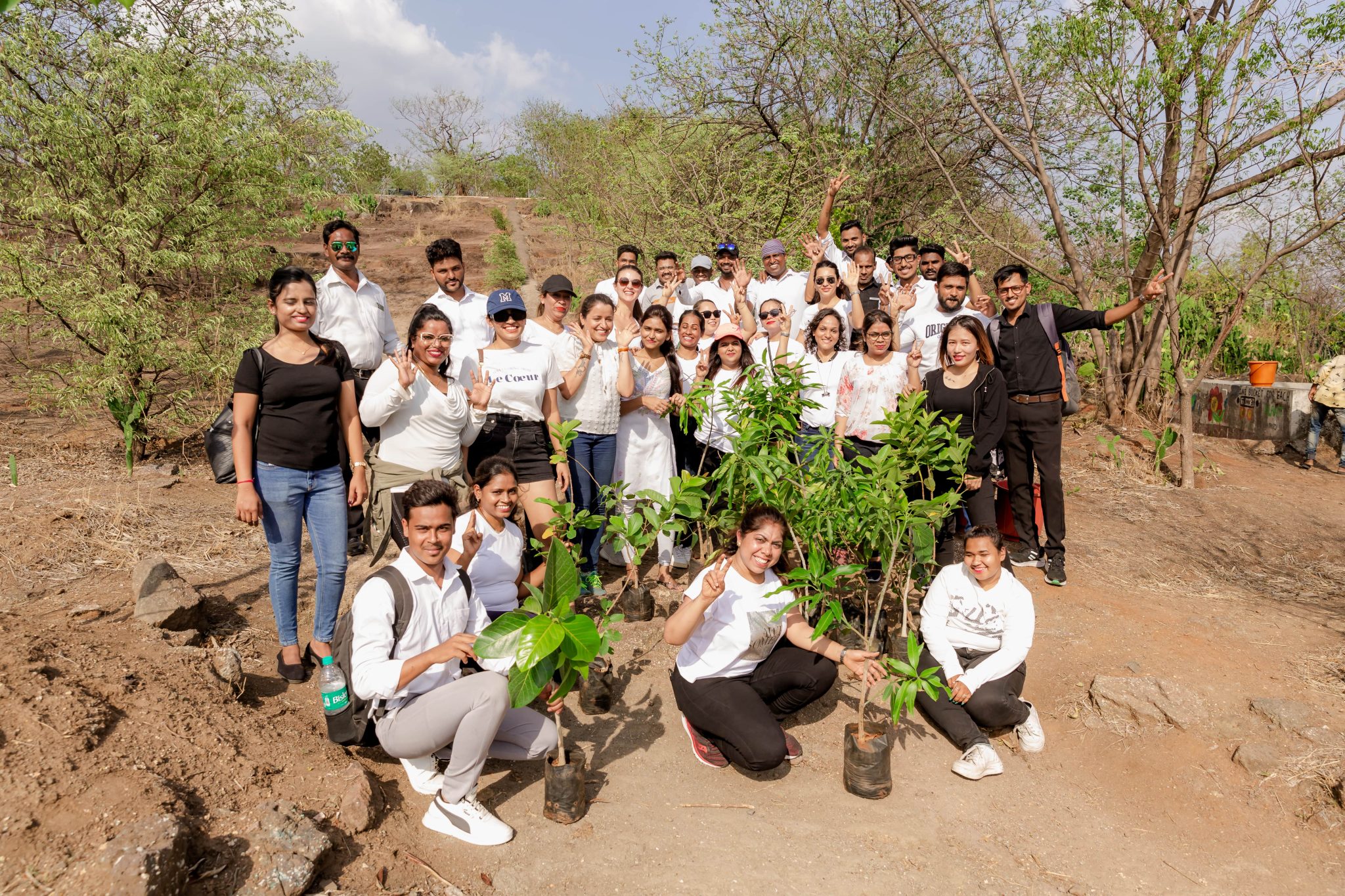
In recent years, we have witnessed growing awareness about climate action, carbon emissions, and how small changes can make a difference. In the UAE and the Gulf region, where deserts dominate the land and water is precious, tree planting carries both symbolic and environmental weight. That is why the partnership between Dr. Elie Organics and Nelda Foundation to drive a tree plantation campaign is so timely and meaningful.
In this article, we explore the importance of tree planting in the Gulf region, the environmental and health benefits, the challenges, recent scientific advances, and how individuals and brands (like Dr. Elie) can do their part. By the end, you’ll understand not just “why plant trees,” but also how this drive can flourish in the Emirates, how your support matters, and what the future might look like.
1. Why Plant Trees? The Big Picture
Imagine a scorching summer day in Dubai or Abu Dhabi. The heat bakes the ground, the air shimmers, and all you want is shade. Trees are nature’s air conditioners. But they are much more: they hold soil, filter the air, host wildlife, cool the land, and store carbon.
1.1 Carbon Capture & Climate Mitigation
Trees absorb carbon dioxide (CO₂) and store carbon in their trunks, roots, and soil. This process helps reduce greenhouse gases in the atmosphere. In afforestation (planting trees where there were none), one big benefit is mitigation of climate change. (Wikipedia)
Moreover, a study about mangroves in the UAE (2017–2024) showed that new mangrove planting increased carbon sequestration by ~194,383 tons, equivalent to reducing ~713,367 tons of CO₂ emissions. (arXiv)
1.2 Cooling & Microclimate Effects
In hot arid regions, shade from trees can reduce surface temperatures dramatically. In neighborhoods, streets lined with trees feel cooler, lowering the burden on buildings’ air conditioning.
1.3 Soil Stabilization, Erosion Prevention & Water Retention
Tree roots hold soil together, preventing wind erosion—a big issue in desert regions. Trees also improve water infiltration when it rains, reducing flash flooding and improving moisture retention in the soil. (Wikipedia)
1.4 Biodiversity & Habitat
A well-planned plantation drives habitat creation: native birds, insects, and small animals find refuge. In UAE, planting Ghaf trees (Prosopis cineraria) is popular, as the Ghaf is drought-tolerant and holds cultural importance. (ead.gov.ae)
1.5 Social, Health & Psychological Benefits
Green spaces offer shade, places to walk, rest, reflect. Studies show people feel calmer and better in green areas. Plus, planting drives can unite communities, build awareness, and reinforce environmental stewardship.
2. The UAE & Gulf Experience: Tree Planting Campaigns and Achievements
Let’s look at what the UAE and its neighbors have done. These real examples help make the efforts of Dr. Elie & Nelda part of a larger regional movement.
2.1 Dubai’s Ambitious Tree Planting
In the first half of 2025, Dubai Municipality planted 300,000+ trees across major roads, spending about AED 190 million and covering over 3 million square meters. (The Times of India)
In 2023, Dubai also set a record: it planted 185,000 trees (up from ~170,339 in 2021) across city parks, streets, and green belts. (dm.gov.ae)
These numbers show a serious commitment to greening the cityscape.
2.2 Mangrove Restoration in Abu Dhabi
Abu Dhabi launched a massive mangrove initiative under Ghars Al Emarat, pledging to plant 850,000 mangrove trees along coasts. Mangroves are “blue carbon” ecosystems—especially effective at sequestering carbon, protecting coasts, and supporting marine life. (EVLife)
2.3 Drone-Based Planting Methods
One of the recent innovations: using drones to plant mangrove seeds. In 2023, drones dropped millions of seeds with ~48% early success rate in some trials. The UAE aims to plant 100 million mangroves by 2030 using high-tech approaches. (gnss.ae)
2.4 Saudi Green & Middle East Green Initiatives
In Saudi Arabia, efforts to plant 60 million trees and rehabilitate 348,000 hectares by 2030 are underway, aiming to remove 24 million tons of carbon emissions. (Wikipedia)
These show that the Gulf region is rising to the challenge of climate action via green infrastructure.
2.5 Native Tree Campaigns in UAE
Emirati initiatives include planting Ghaf trees broadly—Ghaf is the national tree of UAE—and promoting planting in neighborhoods. For example, the “Ghaf Tree Planting Initiative” is supported by the UAE government to raise awareness and restore biodiversity. (moiat.gov.ae)
3. Challenges & Particularities in Arid Environments
It’s not enough to just plant trees. In a desert climate like UAE’s, several constraints exist. Any plantation campaign must anticipate and mitigate these issues.
3.1 Water scarcity and irrigation demands
Trees require water to survive, especially in their early years. In a region where water is precious, sustainable irrigation (drip systems, smart sensors, reuse of greywater) is essential. Overwatering is wasteful; underwatering kills saplings.
3.2 Soil conditions and salinity
Desert soils often have high salinity or poor structure. Selecting tolerant species (like Ghaf, certain mangroves) or amending soil is needed.
3.3 Heat stress and mortality
Young trees may wither under extreme heat and solar exposure. Shade nets, mulching, protective coverings, timing of planting (cooler periods) all matter.
3.4 Maintenance and follow-up
Planting is just the start. Ongoing care—pruning, pest control, removal of dead saplings, monitoring—is critical. Many failures of plantation campaigns arise from neglect after planting.
3.5 Infrastructure & scaling
To scale plantation from one park to many neighborhoods, or over large land areas, logistics (nurseries, transportation, planting crews) must be well-coordinated.
3.6 Measuring impact
Simply planting many trees is not enough — one must measure survival rate, carbon uptake, growth, canopy cover, biodiversity outcomes. Often projects fall short in rigorous monitoring.4. Scientific Advances & Monitoring Technologies
To overcome some of the challenges above, recent scientific tools and innovations help make plantation campaigns smarter, more efficient, and more verifiable.
4.1 Satellite and AI monitoring for mangroves
A study in the UAE (2017–2024) used deep learning (UNet++) on Sentinel-2 satellite data to map mangrove changes. It reported an increase of ~2,061 hectares of mangrove area, with carbon sequestration rising ~194,383 tons. (arXiv)
This kind of AI monitoring ensures accountability and helps optimize plantation efforts.
4.2 UAV / drone imaging for plantation sites
In palm or plantation agriculture, drones equipped with RGB and multispectral sensors produce vegetation indices (NDVI, SAVI, etc.) to detect plant stress, track growth, and guide interventions. A recent study in Dubai found RGB-based indices provided performance comparable to multispectral, reducing cost while maintaining detection accuracy. (arXiv)
Such remote sensing can help monitor tree health, spot water stress early, and reduce loss rates.
4.3 Smart irrigation & sensor networks
Using soil moisture sensors, IoT, and automated drip irrigation systems, plantation projects can optimize water use—watering only when and where needed.
4.4 Novel species & assisted growth methods
Researchers explore species better adapted to arid zones, grafting techniques, and soil inoculations with beneficial microbes to boost survival rates.
5. Why Dr. Elie Organics & Nelda Foundation’s Tree Drive Matters
Now, let’s bring it home: how your planned tree plantation drive can make a real difference—not just symbolically, but in measurable environmental, social, and brand terms.
5.1 Aligning skincare with sustainability
As a skincare brand, Dr. Elie Organics (your website: drelieorganics.com) already commits to 75% natural organics in your formulations. Now adding a tree planting pledge links your brand identity to environmental action. When customers see “Buy our product → we plant a tree,” that narrative deepens brand loyalty.
5.2 Branding, trust, and marketing advantage
Consumers in the UAE and Gulf are increasingly eco-conscious. By publicizing the plantation drive, you enhance your brand’s reputation. Link from your product pages: e.g. “Each purchase helps plant a Gulf native tree via our Nelda Foundation partnership.” Use internal links from blog pages to this plantation campaign page.
5.3 Tangible local impact
Unlike donating to distant carbon offsets, planting in the UAE / Gulf ensures local environmental benefit—improving shade, biodiversity, microclimate. It’s something your audience can see, visit, and feel.
5.4 Employee & community engagement
You can organize planting events inviting customers, local groups, schools. This strengthens your relationship with the community and spreads awareness.
5.5 Measurable carbon accounting
Track how many trees planted, survival rates, estimated carbon sequestered over years. Publish a yearly report. If, say, 10,000 saplings survive to maturity, you can approximate tons of carbon captured.
6. How to Design a Successful Tree Plantation Drive in the Gulf
Here’s a practical blueprint your partnership can follow.
6.1 Selecting species
Prefer native or well-adapted species: e.g. Ghaf tree (Prosopis cineraria), some acacias, mangroves along coasts, other desert-tolerant species. Ghaf, for instance, remains green even in harsh conditions. (ead.gov.ae)
6.2 Site selection
Target urban parks, school grounds, roadside green belts, community spaces, coastal buffer zones. Avoid extremely saline stretches.
6.3 Timing
Plant during cooler months (autumn, winter) rather than peak summer. Early morning or late afternoon planting is beneficial.
6.4 Nursery & donor network
Set up or partner with local nurseries to supply saplings. Use quality seedlings with healthy roots.
6.5 Watering and irrigation strategy
Implement drip lines, moisture sensors, reuse greywater if possible. Automate where possible to reduce labor.
6.6 Monitoring & maintenance
Ensure multi-year care: weed control, pest check, replacing failed saplings, pruning, soil care. Use drones, sensors, and periodic field checks.
6.7 Community engagement & education
Invite schools, local communities to planting days. Educate participants about climate, trees, and how to care for saplings.
6.8 Reporting & transparency
Publish metrics: number of trees planted vs survived, estimated carbon captured, maps, photos. Use AI mapping (e.g. satellite, drone) for verification.
7. Potential Results & Impact Estimation
To show what’s possible, let’s do a rough estimation scenario.
Assume Dr. Elie + Nelda plan to plant 20,000 trees over three years in the UAE, with a 70% survival rate (i.e. 14,000 mature trees).
If each mature tree sequesters ~0.025 tons of carbon per year (a moderate estimate for arid climates), then annually those trees capture ~350 tons of CO₂. Over 10 years, cumulative ~3,500 tons.
Beyond carbon, additional benefits:
- Shade and cooling in neighborhoods
- Biodiversity increase (birds, insects)
- Soil stabilization and prevention of dust/wind erosion
- Social awareness and brand goodwill
These numbers may seem modest in global climate scale, but in local scale they are meaningful—and when many brands and communities do similar work, the cumulative effect is large.
8. Case Studies, Stories & Human Touch
To keep the tone engaging, here are a few story ideas or vignettes you might include in the full article:
- A family in Sharjah plants a Ghaf sapling in their yard, measuring its growth over years, involving children in watering it.
- A community planting event in Abu Dhabi, with customers of Dr. Elie, local school children, and staff of Nelda Foundation, with photos, laughter, and soil on hands.
- A drone planting mission on a coastal stretch—how drones drop seeds, the challenges of tides and tides interfering, and the excitement when first mangroves sprout.
- A failure story: when a group of saplings died because irrigation failed, and what was learned (proper watering systems, backup plan).
- Local resident’s voice: “I never thought we could have trees in our almighty sand stretch—but now children see shade near their homes.”
These narratives break the monotony of data and bring connection.
9. Risks, Sustainability & Environmental Ethics
While planting trees is noble, avoid pitfalls:
- Planting species that are invasive or ill-suited can harm local ecology. Always use native or vetted species.
- Greenwashing: make sure claims are real (e.g. verifying survival rate, displaying maps, audits). Do not overpromise (e.g. “100% carbon neutral overnight”).
- Long-term commitment: planting without follow-up care is wasted effort.
- Equity & community consent: engage local communities, ensure they benefit, avoid top-down imposition.
- Water source sustainability: do not draw on precious freshwater unsustainably. Prefer treated water or efficient irrigation.
10. Step-by-Step Roadmap for the Dr. Elie & Nelda Campaign
Here is a sample roadmap your team can adopt:
| Phase | Activities | Milestones |
|---|---|---|
| Phase 1: Planning & partnership | Site survey, species selection, sourcing saplings, setting goals, budget, logistics | Finalize 3–5 planting sites and logistic plan |
| Phase 2: Nursery & prep | Partner with nurseries, raise seedlings, soil amendments, water infrastructure setup | 10,000 healthy saplings ready |
| Phase 3: Planting events | Community planting days, school involvement, media coverage | Plant first 5,000 saplings |
| Phase 4: Maintenance & monitoring | Regular checks, irrigation checks, replacing died saplings, drone / satellite monitoring | 70% survival at 1 year |
| Phase 5: Reporting & communication | Publish annual report, maps, photos, carbon estimates, internal and external links | Public report posted, internal newsletters |
| Phase 6: Expansion & scaling | Add more sites, invite partners, replicate in other Emirates or Gulf states | Launch second phase in 2–3 new Emirates |
Each planted tree can be “adopted” by customers who receive updates (“This is your tree, see how it grows!”).
11. Frequently Asked Questions
Q1: Can we plant trees everywhere in the UAE?
Not always. Certain zones (e.g. high salinity, extreme heat, unstable soils) are unsuitable. Choose carefully.
Q2: How many years until trees mature and capture carbon?
Typically 5–10 years for meaningful growth; carbon capture increases as trunk and root biomass expand.
Q3: Will it cost too much?
Yes, initial investment (saplings, irrigation, labor). But costs decline over time. You can also crowdsource donations, corporate sponsors, or “sponsor a tree” campaigns.
Q4: What if many die?
Accept that some loss is normal. Use over-planting, monitor early signs, replace failures, optimize irrigation.
Q5: How to measure success?
Use survival rate, canopy cover, carbon estimate models, drone/satellite mapping, biodiversity surveys.
12. Bringing It All Together: Summary & Call to Action
In summary:
- Tree planting is not just symbolic—it delivers carbon capture, cooling, soil health, biodiversity, and social benefits.
- In the UAE and Gulf region, campaigns already show promise: Dubai’s 300,000+ trees, Abu Dhabi’s mangrove drive, government initiatives, drone planting.
- But arid challenges require smart design: water strategies, species choice, monitoring, and community engagement.
- Scientific advances—drones, AI, sensors—help make the process efficient and verifiable.
- The collaboration between Dr. Elie Organics and Nelda Foundation to run a tree plantation drive is more than a marketing idea—it can be a real, local impact project.
- When customers buy your products (sold via drelieorganics.com), part of that can go to planting trees, and you can transparently show “trees planted vs survival vs estimated carbon sequestered.”
- If you involve communities, schools, social media, you grow awareness as you grow green cover.
- Over time, the project can scale across Emirates, or even Gulf states, inspiring other brands.
I encourage you to move forward, start small but with rigor, tell the stories, monitor consistently, and share results. This is how your brand becomes not just known for beauty, but also for meaningful environmental action.
Thank you for reading and believing in planting a greener future with Dr. Elie Organics.
References
- “Dubai’s Massive 300,000-Tree Plantation Project” — Times of India (Dubai) (The Times of India)
- “Dubai Municipality achieves new record in tree planting” — Dubai Municipality (dm.gov.ae)
- “850,000 mangrove trees planted in Abu Dhabi” — EVLife / UAE initiatives (EVLife)
- “Drones Are Helping Plant 100 Million Mangrove Trees in the UAE by 2030” — GNSS.ae (gnss.ae)
- “Artificial Intelligence Mangrove Monitoring in UAE (2017–2024)” — arXiv (arXiv)
- “Evaluation of UAV-Based RGB and Multispectral Vegetation Indices” — arXiv (arXiv)
- “Afforestation benefits & climate change mitigation” — Wikipedia page “Afforestation” (Wikipedia)
- “Ghaf Tree (Prosopis cineraria)” — UAE Environment Authority (ead.gov.ae)
- “Ghaf Tree Planting Initiative (UAE government)” (moiat.gov.ae)
- “Saudi Green & Middle East Green Initiatives” — Wikipedia (Wikipedia)