
- Skincare

Skincare
Dr. Elie Organics offers a clean, organic skincare line designed to hydrate, soothe, and brighten the skin. The Face Gel provides lightweight, cooling moisture, while the Face Moisturizer delivers richer hydration with a fast-absorbing finish. The Skin Alchemy Serum blends nourishing botanical oils for a smooth, radiant feel, and the Amber Reverie Moisturizer supports skin brightness with its turmeric- and licorice-infused formula. Completing the routine, the Skin Gloss Hand Cream offers long-lasting, non-greasy moisture for soft, healthy hands.
- Facial kit

Facial Kit
Dr. Elie’s facial kits are thoughtfully tailored to specific skin needs, blending high-quality organic botanicals into spa-like rituals. The Anti-Aging Kit (95% organic) uses sandalwood, papaya, and ashwagandha to smooth, hydrate, and boost elasticity. The Anti-Oxidant Kit is rich in apricot, bilberry, and grapefruit to nourish, protect, and brighten the complexion. For blemish-prone skin, the Anti-Acne Kit relies on tea tree, turmeric, and neem to purify and calm. And the Skin Brightening Kit (95.6% organic) combines almond, saffron, and licorice to even tone, fade dark spots, and reveal a radiant glow.
- Haircare

Haircare
Dr. Elie Organics’ hair-care line focuses on gentle, organic-leaning formulas that hydrate, cleanse, and style naturally. The Moisturizing Shampoo uses aloe vera and oat extract for soft, shiny hair, paired with a nourishing Conditioner for smoothness. The Hydro-Protect Hair Mask deeply moisturizes and reduces frizz with shea butter and olive oil. For styling, the Clay and Wax provide clean, natural hold, while the Peach-Lemon Mist adds a fresh, uplifting scent. The Purifying Shampoo and Conditioner with Persian herbs help balance the scalp and control excess oil.
- Hygiene & Lifestyle

Hygiene & Lifestyle
Dr. Elie Organics’ Hygiene & Lifestyle line brings gentle, nature-inspired care to skin and home. The Aloe Vera Gel hydrates and soothes with its vitamin-rich, cooling texture. The Amber Reverie Hand Wash cleanses softly without drying, paired with the Amber Reverie Moisturizer for light, brightening hydration. Completing the routine, the Organic Bed Mist offers a calming, quick-drying scent to help you relax and unwind.
- Bodycare
Bodycare
Dr. Elie Organics’ bodycare line brings fresh scents and gentle nourishment to everyday self-care. The Peach-Lemon Hair & Body Mist adds a light citrus lift, while the Amber Reverie Moisturizer offers smooth, brightening hydration. The Skin Gloss Hand Cream keeps hands soft without greasiness, and the Lemon Aloe Mani-Pedi Kit refreshes and conditions nails. The Aloe Vera Gel completes the routine with cool, soothing moisture for sensitive skin.
- Hair & Body Mist
Hair & Body Mist
Dr. Elie Organics’ hair & body mists are crafted with ~96% organic ingredients to hydrate, refresh, and scent both skin and hair. The Peach‑Lemon Mist brings a zesty, fruity uplift with peach, lemon, aloe, and calendula. The Frangipani & Oudh Mist delivers an exotic floral-woody elegance, enriched with soothing aloe and calendula. The Sandalwood & Vetiver Mist offers grounding warmth and calm, paired with gentle hydration. And the Oudh & Vanilla Mist wraps you in a luxurious blend of deep earthiness and soft, sweet vanilla.
- Shave Care
Shave Care
Dr. Elie Organics’ shave-care line blends botanical wisdom with gentle protection for a smooth, irritation-free routine. The Damage Defence Before-Shave Oil primes and softens skin with oils like jojoba and marula to minimize razor stress. The Soothing Shaving Gel lathers richly to allow a glide with minimal friction, calming the skin as you shave. Afterward, the Alcohol-Free After‑Shave Balm restores hydration, soothes razor bumps, and helps prevent ingrown hairs — all without harsh chemicals or synthetic fragrances.
- Accessories
Accessories
Dr. Elie Organics’ eco-friendly Jute Bag combines sustainability with chic simplicity. Made from natural jute fibers, this lightweight and sturdy tote is perfect for carrying your skincare essentials — or anything else — while minimizing environmental impact.
Beyond the Superstition: The Whiskered Guardians of History and Your Heart

Introduction: A Shadow with a Purr
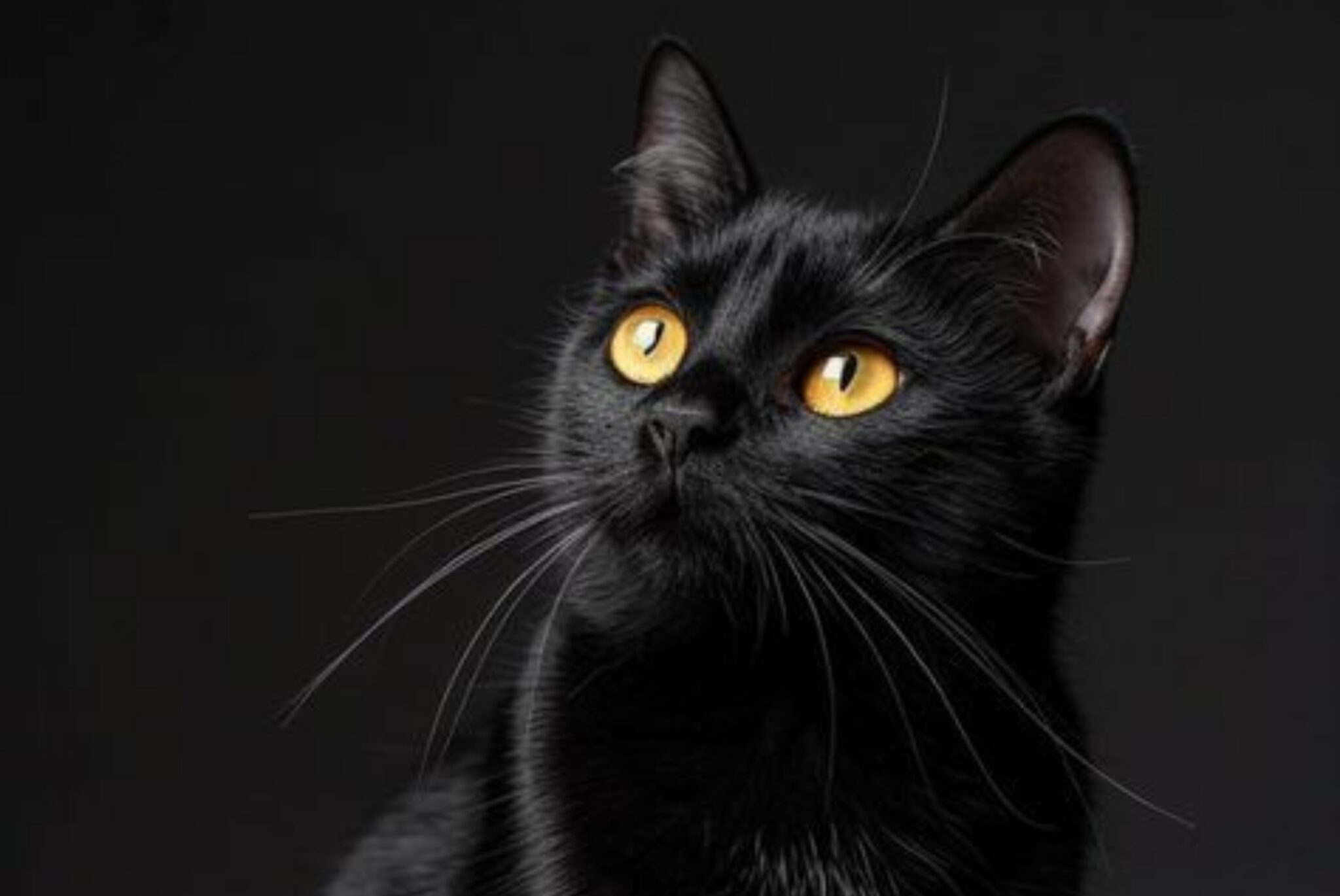
Have you ever locked eyes with a black cat? In that moment, you’re not just looking at a pet; you’re gazing into a pool of ancient mystery. That sleek, onyx fur and those piercing, intelligent eyes hold stories that span continents and centuries. For too long, these magnificent creatures have been shrouded in a cloak of unfair superstition, branded as omens of bad luck. But what if we told you the truth is far more fascinating? What if black cats are not bringers of misfortune, but mysterious guardians of history and profound enrichers of our modern lives?
This article is a love letter to the ebony feline. We’re going to embark on a journey to reclaim their noble reputation, from the sun-baked sands of ancient Egypt to the bustling modern apartments of Dubai and Riyadh. We’ll explore the science behind their stunning coats, uncover the historical truths buried beneath the myths, and reveal the surprising ways a black cat can transform your well-being. So, let’s push aside the old wives’ tales and discover the true magic of sharing your life with a living, breathing shadow.
Part 1: From Gods to Ghosts: The Rollercoaster Ride of Feline Reputation
The story of the black cat is a dramatic tale of rise, fall, and redemption. It’s a reputation shaped by kings and peasants, science and fear.
In the Beginning, There Was Bastet:
Our story starts in the glory of Ancient Egypt. Here, black cats were not just pets; they were living incarnations of the goddess Bastet, the deity of home, fertility, and protection. To harm one was considered a capital crime. They were so revered that families would shave their eyebrows in mourning when their feline guardian passed away. Egyptian ships’ crews often included a black cat, believing its presence would ensure safe passage across the Nile and beyond. [Outbound Link: The Smithsonian article on cats in Ancient Egypt]
The Great Plague and a Tragic Mistake:
The descent of the black cat’s reputation is a stark lesson in cause and effect. During the Middle Ages in Europe, their association with pagan religions made them suspicious. As fear of witchcraft grew, so did the persecution of these animals, who were often seen as “familiars” – supernatural companions to witches. The tragic irony? By systematically killing thousands of cats, Europeans removed the primary predator of the rats that carried the bubonic plague. The very creature they thought caused misfortune was, in fact, their greatest protector against it.
A Beacon of Hope in Sailor Lore:
While Europeans feared them on land, sailors across the world cherished black cats. They were considered invaluable members of the crew. A black cat on a ship was believed to:
Ensure a safe voyage.
Bring good luck, with a purr that could summon a favorable wind.
Its movements could even predict the weather.
This maritime affection is why black cats are found in port cities across the globe to this day.
Part 2: The Science of Soot and Sunshine: Unwrapping the Black Cat’s Coat
What makes a black cat black? It’s not magic; it’s magnificent genetics. The secret lies in a high concentration of a pigment called melanin. This genetic trait is known as melanism, essentially the opposite of albinism.
A Coat of Many (Hidden) Stripes:
Here’s a fun fact: many solid black cats are actually secret tabbies! If you’ve ever seen your black cat lounging in a patch of bright sunlight, you might notice the faintest ghostly pattern of stripes on their fur. This is a remnant of their ancestral tabby markings, hidden beneath the dominant black pigment.
The Health Halo of Melanin:
Science has revealed some incredible advantages to that dark coat. Research suggests that the genetic mutations that cause melanism may also be linked to:
Enhanced Disease Resistance: Some studies indicate that melanistic cats might have a stronger immune system, making them more resistant to certain diseases like FIV.
Superior Camouflage: While this might not matter for a house cat napping on a velvet couch, in the wild, that dark coat provides excellent camouflage for hunting at night.
UV Protection: Melanin acts as a natural sunscreen, protecting their skin from harmful ultraviolet rays.
This inherent resilience is something we at Dr. Elie Organics deeply admire. Just as nature equipped the black cat with a robust biological foundation, we believe in harnessing nature’s power to build resilience and health. Our approach to skincare mirrors this—using potent, natural ingredients to support your skin’s own innate strength.
Part 3: The Purr-fect Companion: How a Black Cat Enriches Your Life
Beyond history and genetics, the true magic of a black cat is revealed in the daily joy they bring. They are not just pets; they are wellness partners.
The Four-Legged Stress Buster:
The simple act of petting a cat has been scientifically proven to lower cortisol (the stress hormone) and release endorphins (the feel-good chemicals). A 2021 study found that cat owners have a 30% reduced risk of heart attack. The rhythmic vibration of their purr, which falls between 20-140 Hz, is even thought to have therapeutic properties, promoting bone density and healing. Coming home to the soft purr of a black cat is a better antidote to a stressful day than any pill.
A Lesson in Mindfulness:
Have you ever watched a black cat? They are masters of living in the present moment. Whether they are utterly engrossed in watching a bird outside the window or luxuriating in a sunbeam, they practice a pure, unadulterated form of mindfulness. In our hyper-connected world, a black cat is a gentle, furry reminder to slow down, breathe, and appreciate the simple joys.
Unconditional (On Their Terms) Love:
Cats, especially the often-misunderstood black cat, offer a unique form of companionship. Their affection is not given freely; it is earned. When a black cat chooses you, when it curls up in your lap or headbutts you gently, it’s a genuine, hard-won token of trust. This bond can be incredibly powerful, combating feelings of loneliness and providing a deep sense of being needed and loved.
The Perfect Match for Modern Life:
In the bustling cities of the Gulf, where space can be limited, black cats make ideal companions. They are generally independent, clean, and adaptable to apartment living. Their quiet, dignified nature fits perfectly with a modern, busy lifestyle.
Part 4: “Adopt, Don’t Shop” – Why Your Next Feline Should be a Void
There’s a heartbreaking phenomenon in animal shelters known as “Black Cat Syndrome.” This refers to the lower adoption rates and longer waiting periods for black cats compared to their more brightly colored counterparts, due to lingering superstitions and the silly notion that they don’t photograph well.
This means that when you choose to adopt a black cat, you are not just getting a pet; you are saving a life. You are making a conscious choice to see beyond fur-deep aesthetics and welcome a creature of profound loyalty and character into your home. You are becoming part of the solution, rewriting a sad narrative one adoption at a time.
Preparing Your Home for a Mini-Panther:
Ready to welcome a black cat? Here’s how to get started:
Safety First: Ensure your windows are screened. Their curiosity is legendary!
The Essentials: A sturdy scratching post, a cozy bed, and interactive toys are a must.
Nutrition: Invest in high-quality cat food to support their health and that glorious, shiny coat. A healthy inside reflects a healthy outside—a philosophy that guides our formulations at Dr. Elie Organics. Just as we are meticulous about the 75% natural organic ingredients in our Nourishing Body Elixir, being mindful of what you feed your feline friend is an act of pure love.
Part 5: By the Numbers: The Statistical Prowess of the Black Cat
Let’s look at the data that proves their worth:
According to the ASPCA, black cats spend up to 30% longer in shelters than cats of other colors.
A UK study by Cats Protection found that black and black-and-white cats made up 50% of all cats in shelters but had the lowest adoption rates.
Research published in the Journal of Applied Animal Welfare Science showed that perceived “coat color” was one of the most significant factors influencing adoption decisions, unfairly working against black cats.
A survey of over 1,200 cat owners revealed that 74% believed their black cat had a uniquely “gentle” and “calm” temperament, debunking the myth of them being “aloof” or “mean.”
These numbers aren’t just statistics; they represent thousands of loving animals waiting for a chance to prove how wonderful they truly are.
Conclusion: The Guardian Awaits
From the sacred temples of Egypt to the forecastles of sailing ships, and now, to the comfort of our homes, the black cat has been a constant, if often misunderstood, companion. They are not omens of misfortune, but silent witnesses to history, four-legged therapists, and masters of mindful living. They are living proof that the deepest mysteries often hold the greatest rewards.
By choosing to see a black cat for what it truly is—a beautiful, intelligent, and loving creature—you do more than just gain a pet. You become a guardian of a legacy. You challenge outdated fears with modern compassion. You open your heart to a unique form of friendship that is as deep and enigmatic as their jet-black fur.
The next time you see a black cat, don’t cross the street. Stop. Look into those wise eyes. You might just be looking at your next best friend.
Ready to embrace the magic of natural wellness, for you and perhaps for a new feline friend? Explore our range of consciously crafted, 75% natural organic products at [drelieorganics.com](https://drelieorganics.com). Because true beauty, whether in nature, our pets, or ourselves, deserves to be nurtured with respect and care.
References
1. Smithsonian Magazine. “A Brief History of House Cats” [Link to article]
2. ASPCA. “Pet Statistics” [Link to shelter data]
3. Cats Protection (UK). “National Cat Survey 2023” [Link to survey results]
4. Journal of Applied Animal Welfare Science. “Factors Influencing Adoption Decisions in Animal Shelters” [Link to study]
5. National Institutes of Health (NIH). “The Neurobiology of the Human-Animal Bond” [Link to research]
6. University of Minnesota Stroke Research Center. “The Health Benefits of Cat Ownership” [Link to study]
7. International Cat Care. “The Genetics of Cat Coat Colour” [Link to resource]
8. Ancient History Encyclopedia. “Bastet” [Link to entry]
9. The Royal Society Publishing. “The function of purring in cats” [Link to biological research]
10. Dr. Elie Organics. “Our Ingredient Philosophy” [Internal Link to About Us page]